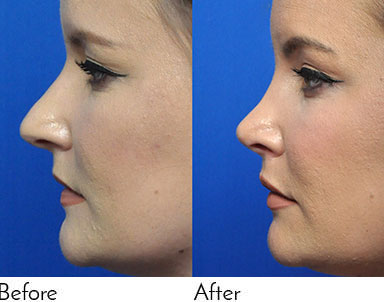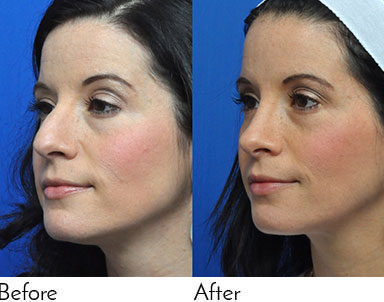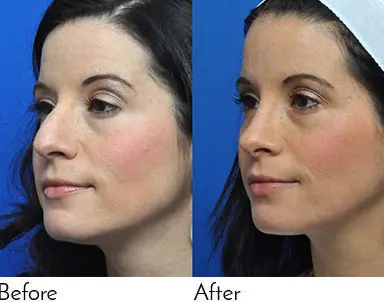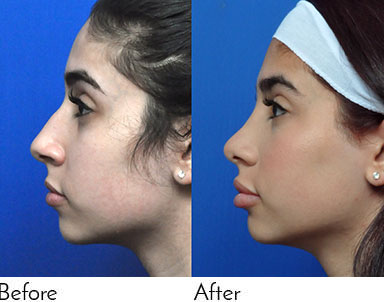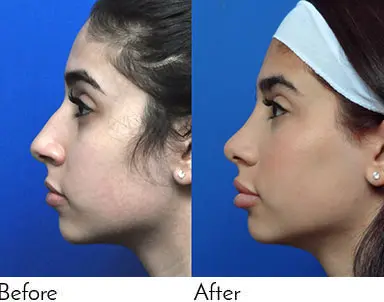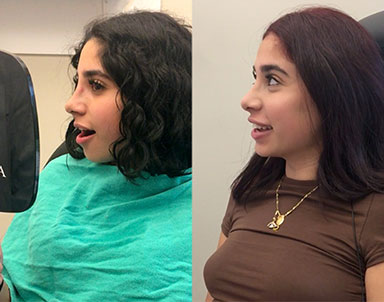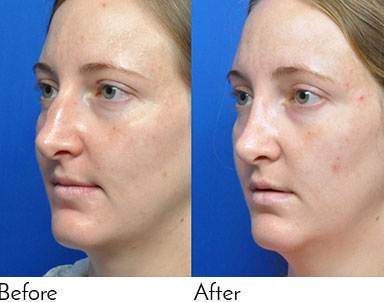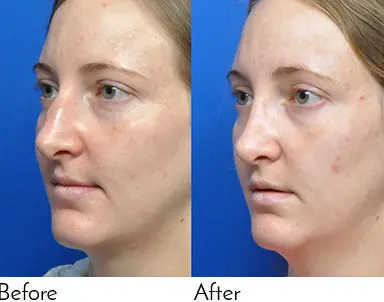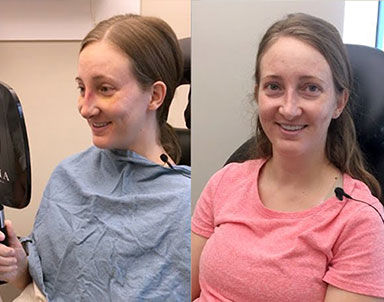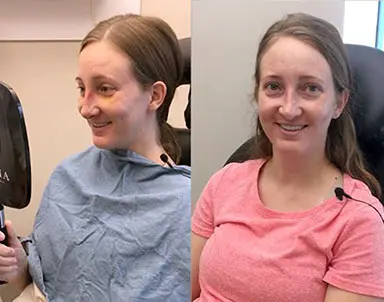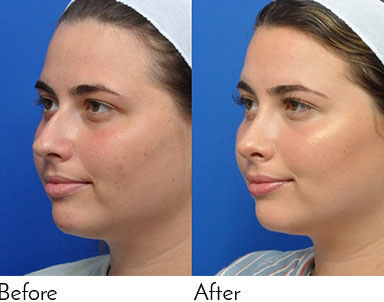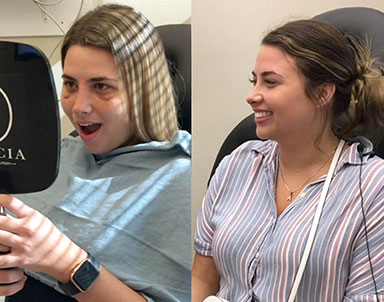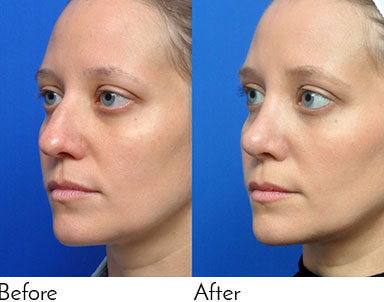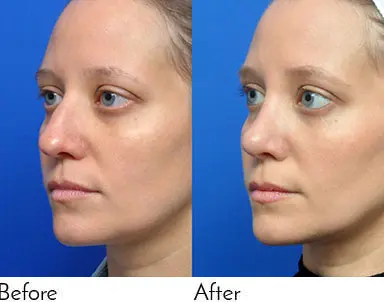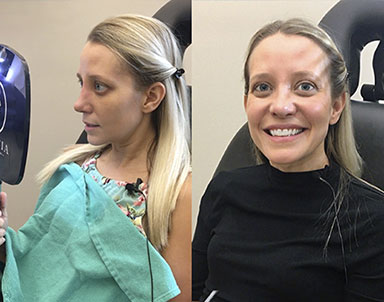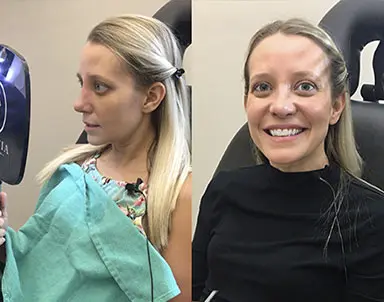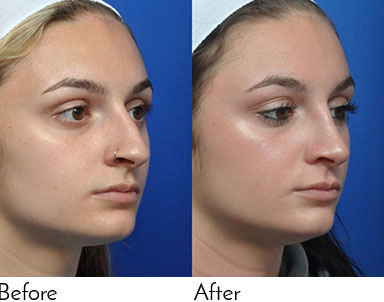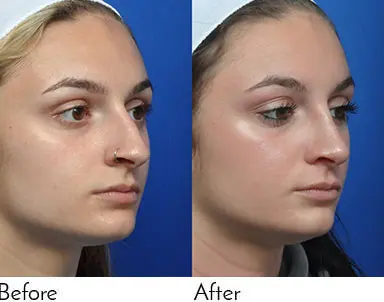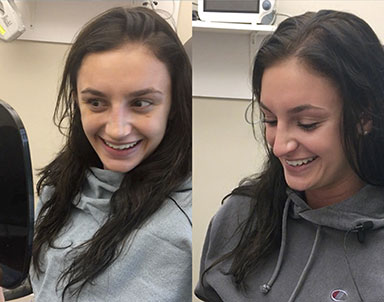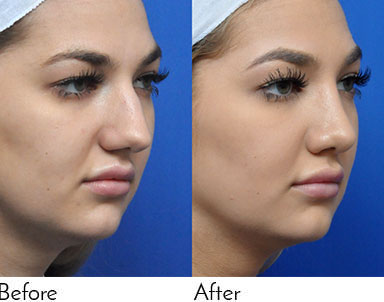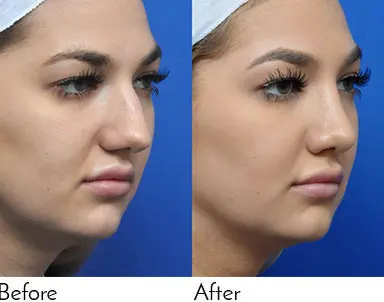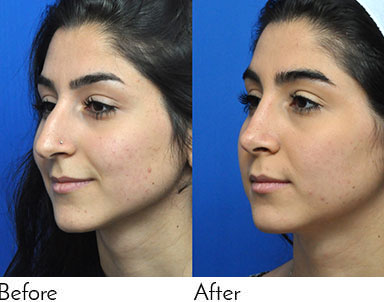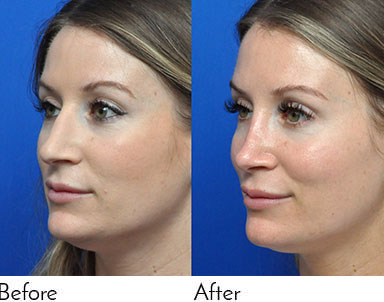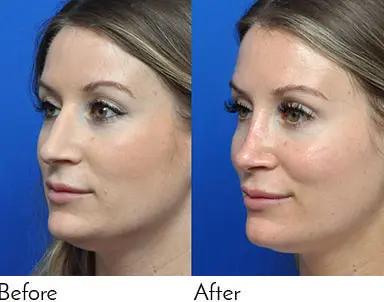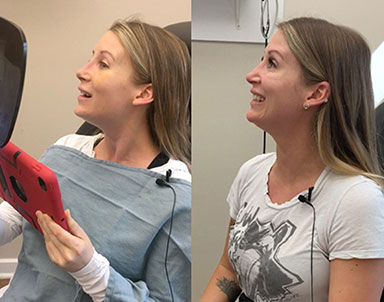
The combination of loose skin and fat along the neckline can make a patient look much older than they really are, and these common cosmetic issues are difficult to treat without professional help. Led by our double board-certified facial plastic and reconstructive surgeon, Dr. Phillip Garcia, the staff here at Garcia Facial Plastic Surgery can help you address these age-related blemishes by tightening and toning your neck. We are proud to help men and women of Fleming Island, FL, and the surrounding communities, rebuild their self-confidence with advanced procedures such as the neck lift.
What Is A Neck Lift?
Also called platysmaplasty, the neck lift is a relatively straightforward procedure that improves one’s appearance by trimming excess skin from the neck, removing fat, and repositioning the muscles underneath. This is an excellent option for any patient who is struggling with sagging skin below their jawline and deep folds across their neck. With an experienced surgeon, this procedure can result in a well-defined jaw and attractive silhouette.
Neck lifts can be carried out to treat issues such as:
- Neck folds
- Neck Bands
- The “turkey wattle” effect
- Sagging skin
The Neck Lift Procedure
This popular procedure is performed on an outpatient basis. Depending on your own preferences and the extent of your surgery, our team can use either twilight or local anesthesia. Incisions are generally needed behind each ear, below the chin, or in all three locations. Once the incisions are made, your surgeon will remove pockets of fat, trim away excess skin, and reposition the underlying muscles. After the soft tissue is in the correct place, the remaining skin is draped back across the neck, and the incisions are sutured shut. A dressing or compression garment will most likely be applied to your neck to protect the incisions.
Neck Lift Recovery
Patients should expect some swelling and bruising following their surgery, but these issues can be minimized with pain medication. The dressing is typically removed within two to three days of the surgery, and most patients can resume regular activities within seven to 10 days.